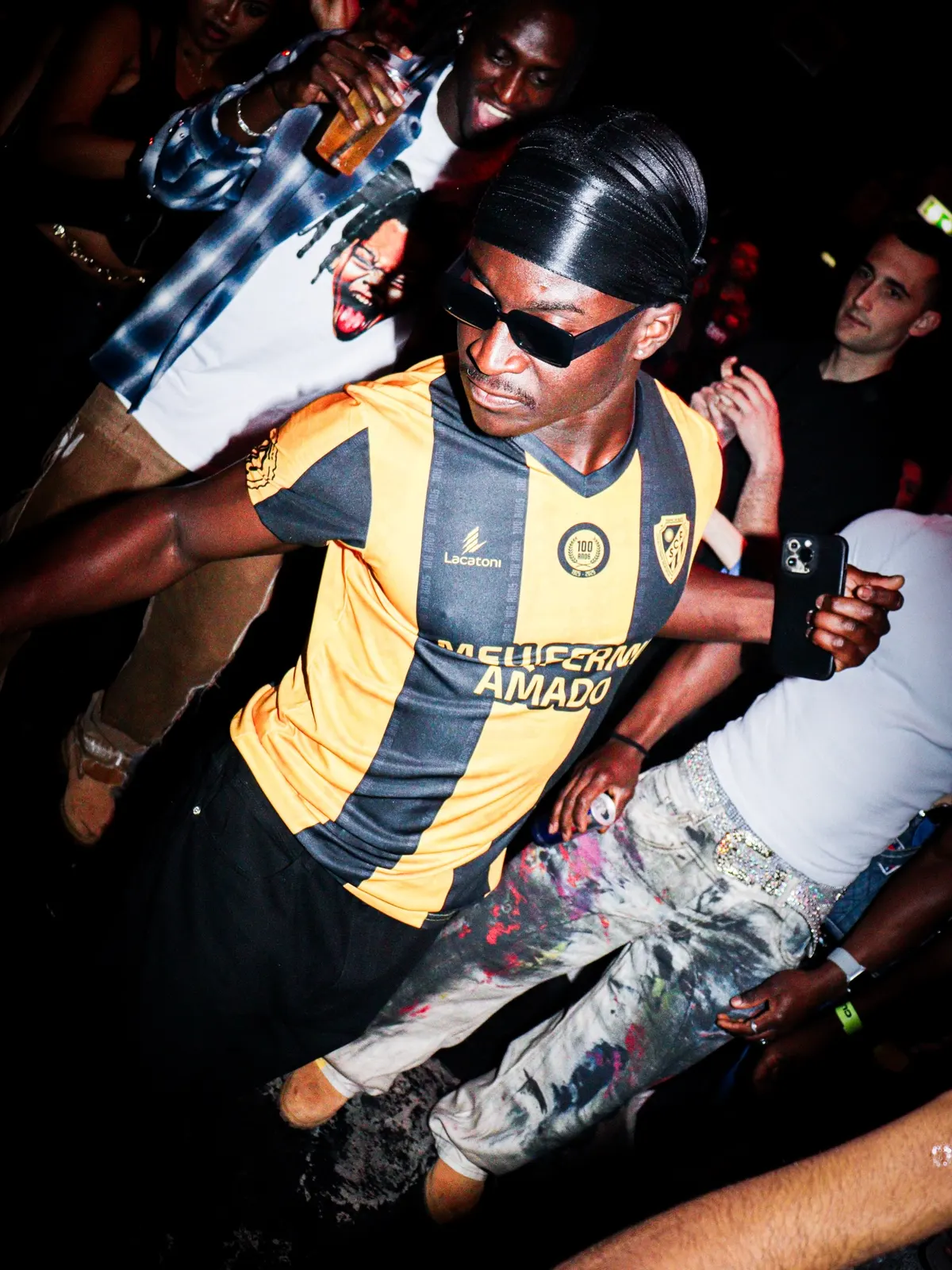
Dress code, light, atmosphere: the aesthetics of a BeKind night
Nothing at a BeKind night is accidental: the theme, the light, the visual codes. How an aesthetic is built for the audience to complete.
A night can be heard, but first it is seen. The aesthetics — the light, the colours, the way people chose to dress — are the first thing that tells you where you've arrived and what's about to happen.
For BeKind, aesthetics are not decoration: they are as much a part of the artistic direction as the line-up.
The dress code as invitation, not barrier
A theme — the total white of a pool party, the total black of a club night — is not there to filter who gets in. It's there to give the audience a role in the composition. When a whole room plays along with a code, every person becomes part of the scenography, and the photograph of the night is taken by the community itself.
It's an aesthetic pact: we prepare the frame, you bring your way of inhabiting it.
Light does half the work
The same room can be a living room or a dancefloor depending on how it's lit. BeKind nights work on warm, progressive atmospheres: you start soft, grow with the music, and reach the deep hours with a light that protects the intimacy of the floor.
Outdoors — among the pines and bamboo of Kalaya — the sunset does the work: the daytime format is built to accompany natural light all the way into the night.
Coherence between room and story
The aesthetic continues after the night: in the images, the videos, the way the experience is told. It's the same care you see when music, style and sport culture meet — as in the collaboration with Club Scena — or when a daytime format weaves wellness, brunch and DJ sets together.
The principle is always the same: every visual detail must tell the same story the music tells. When it happens, the audience feels it — even without being able to explain it.