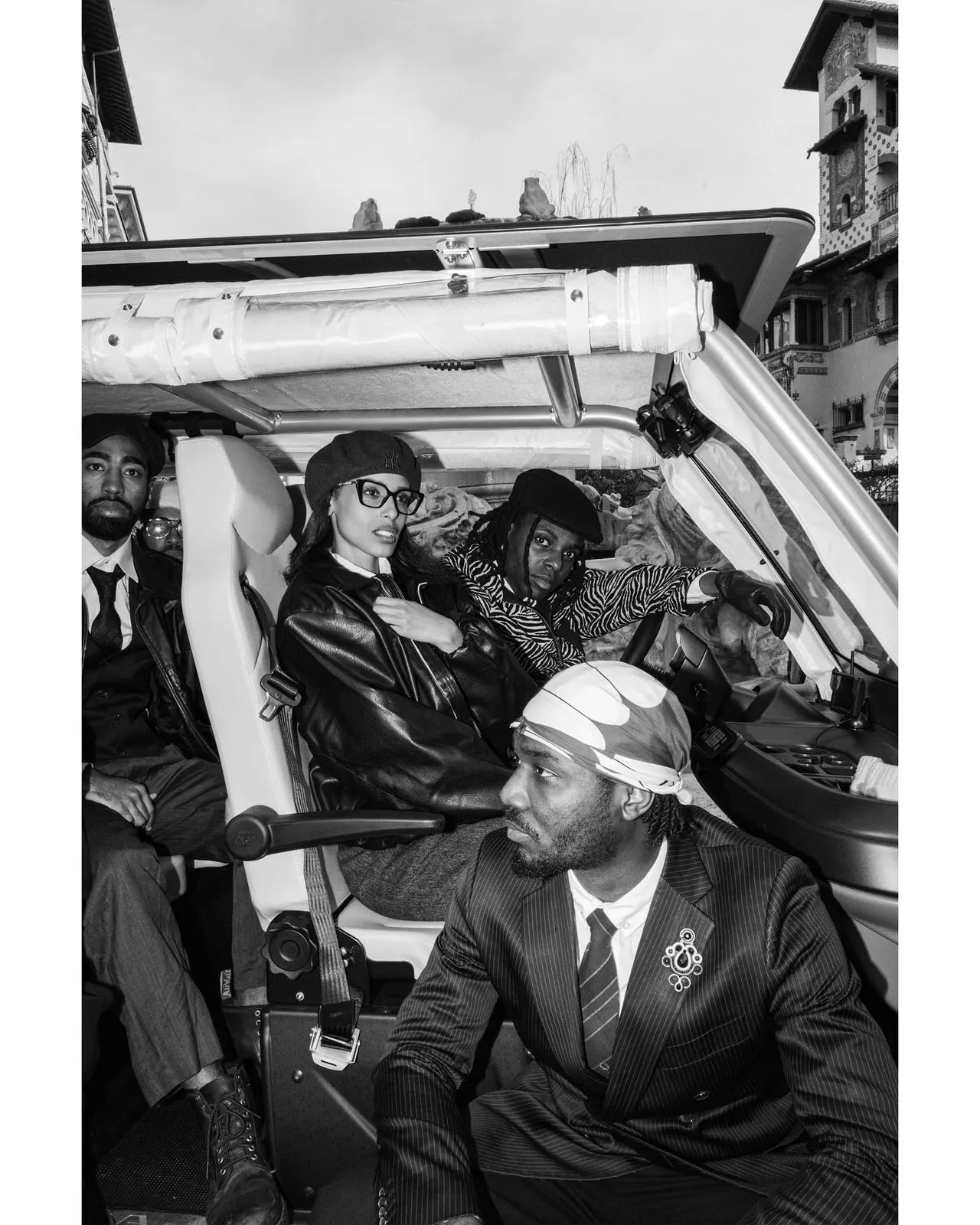
Rome's afro-contemporary scene: who builds it and where it lives
Not a music genre: a scene made of collectives, venues and audiences. How Rome is becoming an afro-contemporary capital.
Rome is a city that often narrates itself in the past tense. But in its nights something is growing that speaks to the present: an afro-contemporary scene made of collectives, DJs, performers, photographers and audiences who recognise themselves in a shared idea — music as a language of encounter.
It is not an imported phenomenon. It is a Roman scene, built by people who live the city and carry other geographies with them.
A scene, not a genre
Calling it the "afro scene" risks reducing it to a playlist. In reality it's an ecosystem: club nights and dinner shows, pool parties and daytime formats, independent radio and festival collaborations. The sounds — afrobeats, amapiano, afro house, hip-hop, R&B — are the vocabulary; the grammar is the community that uses them.
Rome's African diaspora is the heart of that grammar. But the scene works precisely because it isn't closed: its rooms bring together Romans of every origin, expats, travellers. Belonging comes from the atmosphere before the passport.
The places that give it a home
Every scene needs addresses. In Rome, the afro-contemporary has found recognisable anchor points: Alcazar in Trastevere for urban nights and afro house, the Kalaya Bamboo Experience on the Appia for daytime formats between pool, wellness and music.
They are different places telling the same story: this scene doesn't live in a single format. It can be a club at night and a garden by day, a curated dinner and a sweaty dancefloor. Versatility is its signature.
Who builds it
Behind every night there's invisible curatorial work: choosing the sounds, the places, the collaborations, the aesthetics. In Rome that work is done by collectives — independent projects that operate at once as promoters, artistic directors and community builders.
BeKind was born exactly this way: a collective founded in Rome by Arsema Haile and Marlon Millan, on the idea that a night can be a cultural space — somewhere music, style and people compose something that lasts beyond the final track.
Why it matters, beyond the night
A living cultural scene changes how a city sees itself. It makes visible the communities that official narratives often ignore, creates spaces of representation, circulates aesthetics and ideas. Rome's afro-contemporary nights are doing that work, one evening at a time.
Anyone who wants to understand the Rome of right now — not the postcard one — should start here.